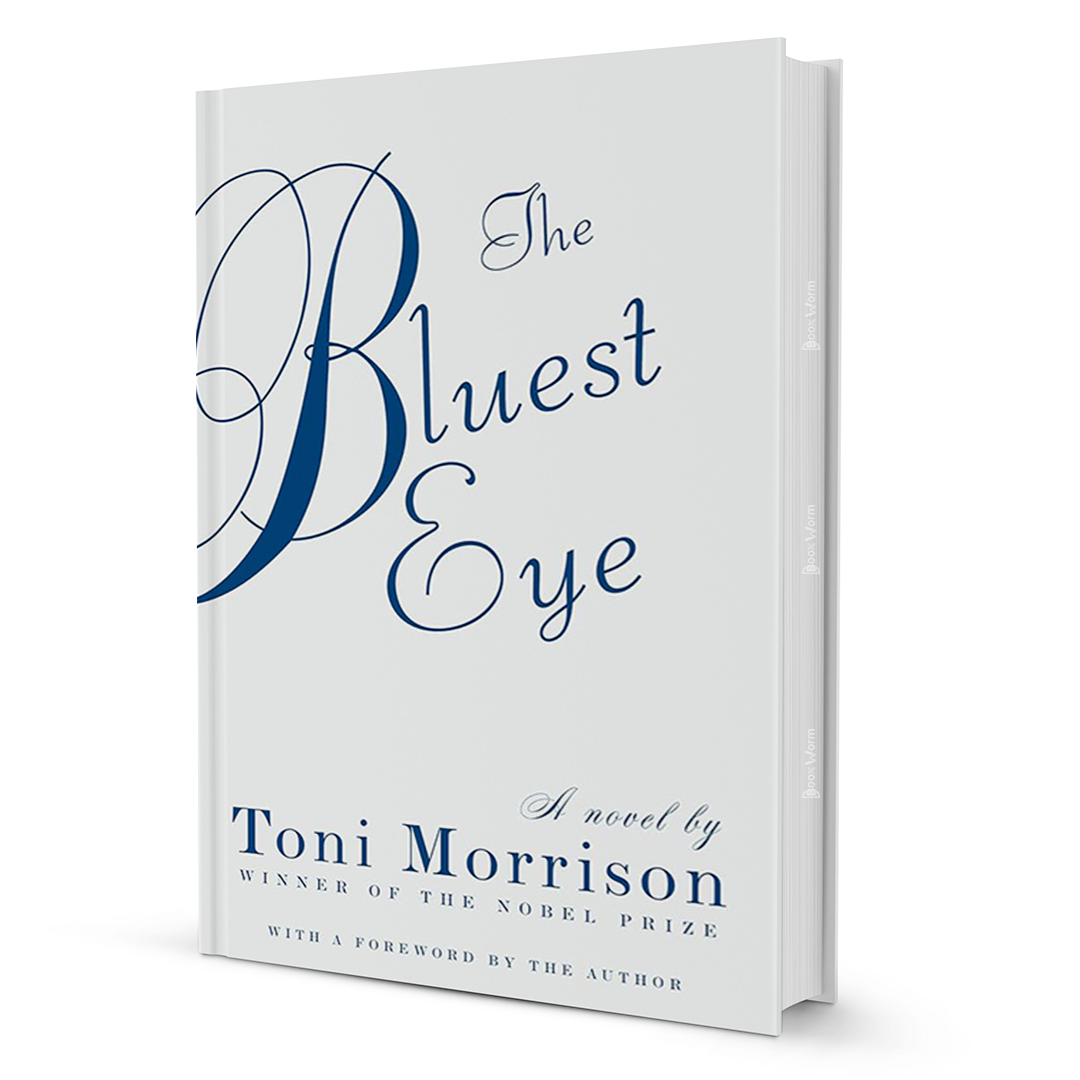
Explore Toni Morrison’s Groundbreaking Debut: The Bluest Eye
Set against the backdrop of 1941 Lorain, Ohio, Toni Morrison’s first novel, The Bluest Eye, introduces readers to Pecola Breedlove, a young African American girl whose deepest desire is to possess blue eyes. She believes this single change will grant her the beauty and acceptance she so desperately craves in a world that constantly rejects her.
Themes of Identity, Race, and Trauma
Morrison, a Nobel Prize-winning American novelist, deftly unpacks profound themes that resonate as powerfully today as they did upon the book’s publication. The narrative unflinchingly explores:
- Internalized Racism: Pecola’s longing for blue eyes tragically illustrates the devastating psychological impact of societal beauty standards rooted in white supremacy.
- Systemic Abuse: The story highlights the cycles of abuse and trauma that Pecola endures within her family and community.
- The Quest for Identity: Morrison examines what it means to form one’s identity when constantly confronted by external forces that devalue and demonize one’s existence.
“Quiet as it’s kept, there were no marigolds in the fall of 1941.” — Toni Morrison, The Bluest Eye
A Masterpiece of American Literature
Morrison’s evocative prose and profound insights distinguish The Bluest Eye as a critical piece of American literature. It serves as a powerful critique of racial bias and its corroding effect on self-worth. The novel’s enduring relevance lies in its ability to spark vital conversations about privilege, vulnerability, and the intricate ways society shapes individual perception and fate. Morrison’s voice, distinct and compelling from her very first novel, immediately marked her as a literary force.
A used copy of this impactful novel is available on Bookshop Near Me.