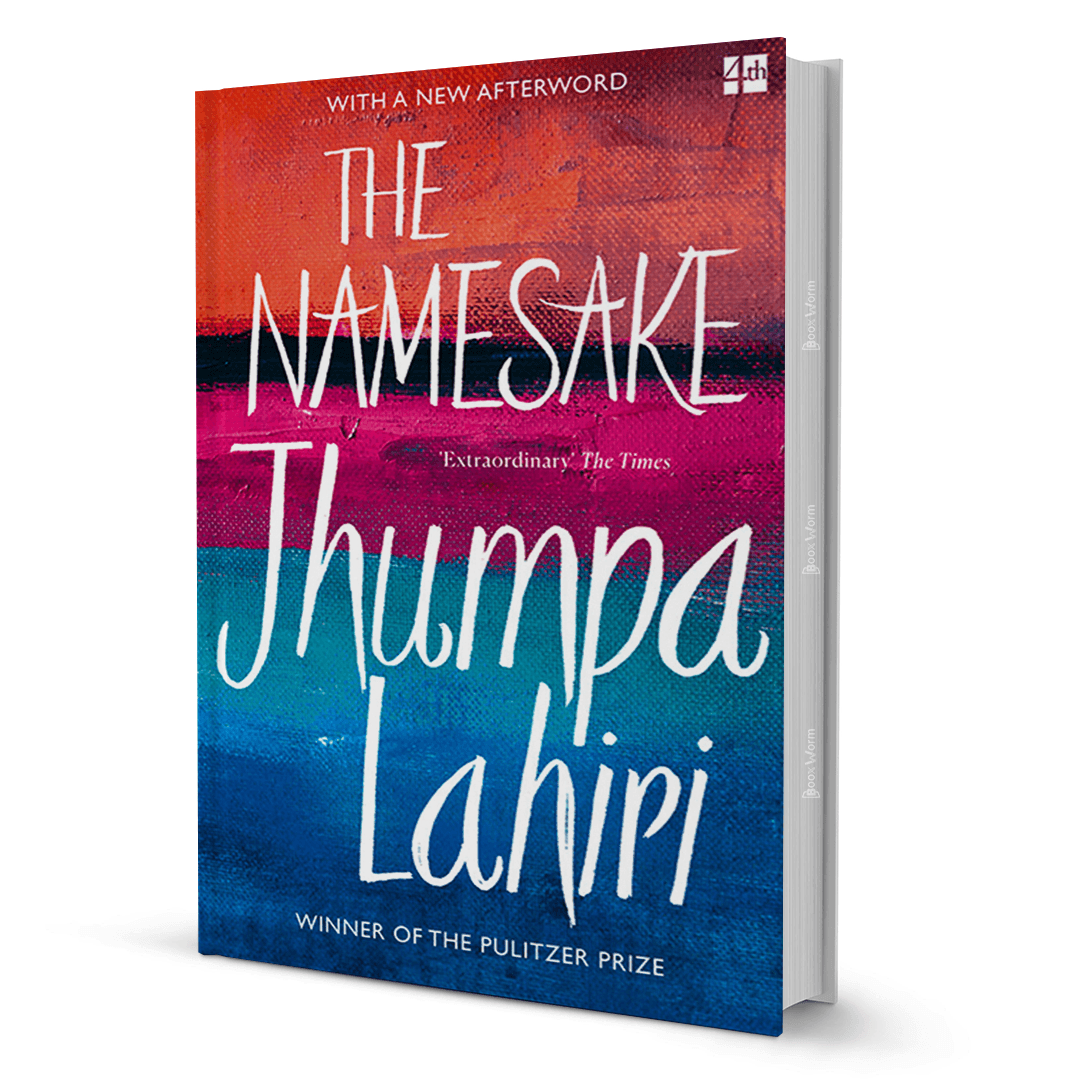
Exploring Identity and Belonging in “The Namesake”
Jhumpa Lahiri’s The Namesake is a powerful and beautifully written novel that delves into the intricate themes of identity, belonging, and the immigrant experience. Her debut novel, first published in 2003, quickly garnered widespread critical acclaim for its insightful and sensitive portrayal of lives shaped by the collision of two cultures.
A Journey of Self-Discovery
The narrative centers on Gogol Ganguli, the son of Bengali immigrants navigating life in the United States. Born in America, Gogol finds himself torn between the rich traditions and expectations of his ancestral heritage and the desire to assimilate into American society. His unusual name, given by his father in tribute to a Russian author, becomes a profound symbol of his internal conflicts and the ongoing struggle to reconcile his past with his longed-for future.
As the story unfolds, Lahiri masterfully chronicles Gogol’s evolution from childhood through adulthood. Readers witness his pivotal relationships, romantic endeavors, and his arduous, yet ultimately fulfilling, journey toward self-acceptance. The recurring motif of his name underscores the novel’s core concerns: identity, memory, and the transformative power of experience.
Why This Novel Endures
- Deep Emotional Resonance: Lahiri excels at crafting characters whose internal struggles feel profoundly real and relatable. The bonds within the Ganguli family, particularly between Gogol and his parents, are explored with immense sensitivity.
- Lyrical and Evocative Prose: The author’s vivid and precise writing style allows readers to immerse themselves fully in Gogol’s world, feeling his challenges and triumphs with intimate understanding. Critics have often lauded Lahiri for her ability to create such nuanced emotional landscapes.
- Universal Themes: While deeply rooted in the Bengali-American experience, The Namesake addresses universal questions of selfhood, cultural heritage, and the generational divides that exist within families. It encourages readers to ponder what it truly means to belong.
“Lahiri writes with a restrained precision that has made her one of the most distinctive and admired voices in contemporary fiction.” — The New York Times Book Review
For those fascinated by stories of family, cultural heritage, and personal growth, The Namesake is an essential read. This compelling novel connects with anyone who has ever grappled with their origins and their place in the world. A used copy is available on Bookshop Near Me.